Cal AI: two teenagers, no funding, $30M a year
Life
Health
App
Date published:
Life · Health · AI-native
Two teenagers, no outside funding, and a photo-of-your-lunch app that sold to the category leader in under two years — the cleanest recent proof that distribution, not the model, is the moat.
The setup
Cal AI does one thing, and it does it in about a second: you photograph your plate, and AI logs the calories and macros. No manual entry, no barcode scanning. Snap, done.
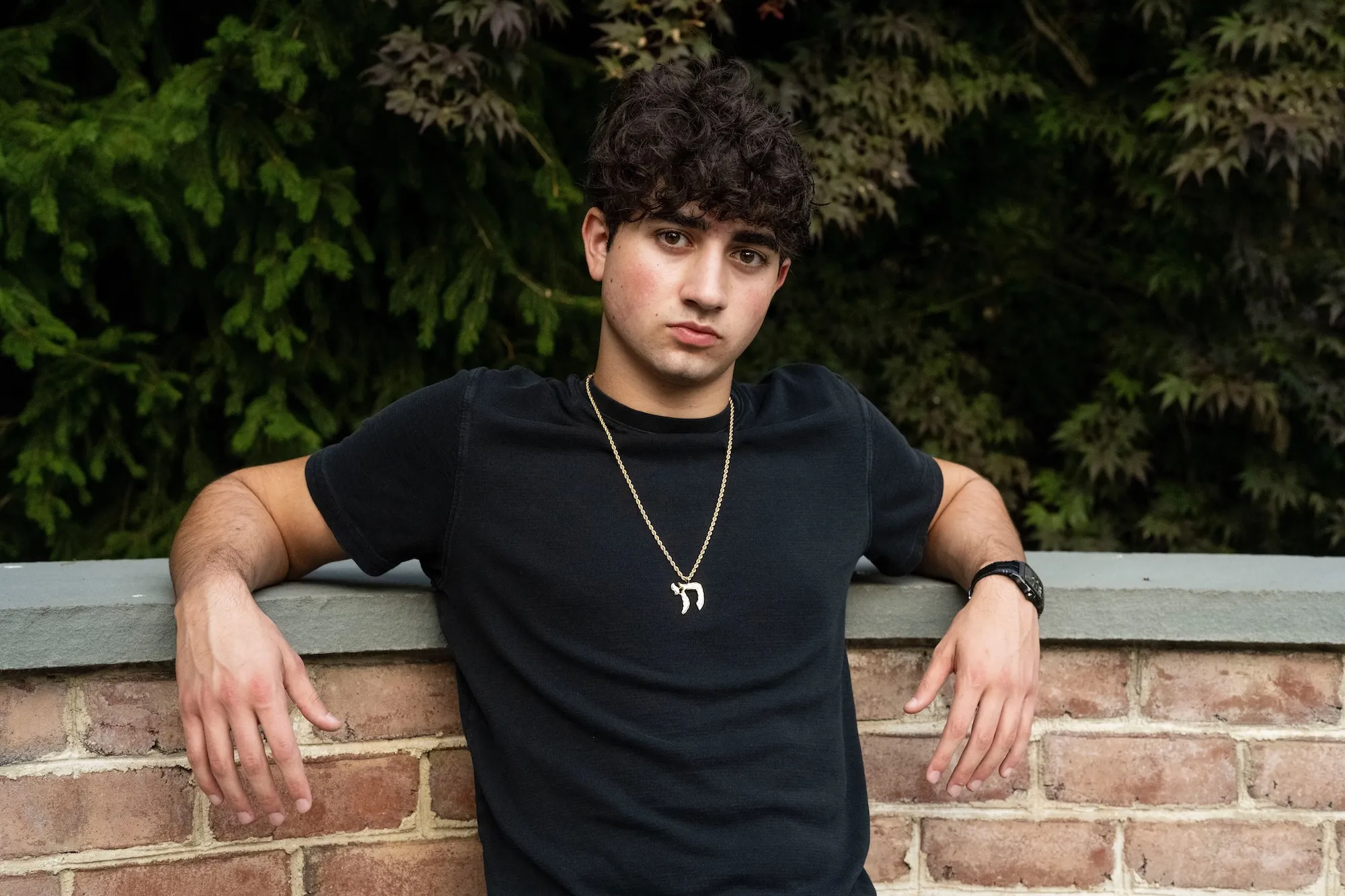
It was built by Zach Yadegari and Henry Langmack, who met at a coding camp as kids and shipped Cal AI in May 2024 while still in high school. They never raised outside capital.
The numbers
Cal AI reached 15 million-plus downloads and roughly $30 million in revenue in 2025 — Yadegari has cited about $40M over a trailing twelve months and projects ~$50M in 2026. In December 2025, MyFitnessPal, the app that had dominated calorie-tracking for over a decade, acquired it; the deal was announced in early 2026, terms undisclosed, with the small team retained. A bootstrapped app built by teenagers out-executed the incumbent, then got bought by it.
What actually drove it — and what didn't
Here's the part worth getting right, because it's easy to romanticize. The AI was not the moat. Photo-based calorie estimation is impressive (~90% accurate, by the team's account), but it's a feature — and features get copied. Calorie tracking itself is a decade old.
What made Cal AI win was distribution — and specifically paid, engineered distribution. The growth engine was a network of roughly 250 creators on TikTok and Instagram, most on monthly retainers, plus heavy performance advertising, with marketing spend reportedly running into the mid-six-figures per month. The product was deliberately designed so the promise could land in a three-second clip. This wasn't a lucky viral moment; it was a machine, run with unusual discipline by a teenage team that funded it out of revenue rather than a venture round.
The investable insight
This is the thesis of the AI-consumer wave, and Cal AI is its cleanest proof: when the model layer is commoditized, the feature stops being defensible, and distribution becomes the moat. The value didn't sit in the technology — it sat in the team's ability to reliably acquire users and convert them (20–25% into a trial or paid plan) at a cost the business could sustain.
Two honest caveats keep this grounded. First, "distribution is the moat" here meant paid distribution done well, not free virality — a critical distinction for anyone modeling CAC. Second, Yadegari's own playbook (use AI to improve an existing category, ignite with creators, scale with performance ads) worked in 2024–25, but as these tools commoditize, competition and acquisition costs rise, and the window narrows. A clean, bootstrapped cap table is what converted the win into a fast, uncomplicated exit.
For the room
Distribution is the moat — and it's usually bought. The edge isn't the AI feature; it's a repeatable, affordable engine to reach and convert users. Model your CAC honestly.
Bootstrapping is a strategy. Funding marketing from revenue kept the cap table clean and the exit simple.
Simplicity is a growth mechanic. One job, one screen, a promise you can land in three seconds — that's what makes paid creator content actually convert.
The takeaway: In the AI era, everyone can build the feature. The teams that win build the machine to put it in front of millions — and know exactly what that machine costs. Cal AI ran that playbook better, younger, and leaner than almost anyone.
Sources
TechCrunch — Photo calorie app Cal AI, built by two teenagers, and its December 2025 MyFitnessPal acquisition reporting
Inc. — He built an AI app in high school, made $40M, and sold to MyFitnessPal
Forbes — This U30 kept launching apps until one worked, then sold it to MyFitnessPal
GetLatka — Cal AI revenue and growth-engine detail (creator network, marketing spend, conversion)
